The Secret to Integrating Tech Into Your Outdoor Pool Area
Smart Backyard Design Ideas for Making Small Yards Feel Bigger
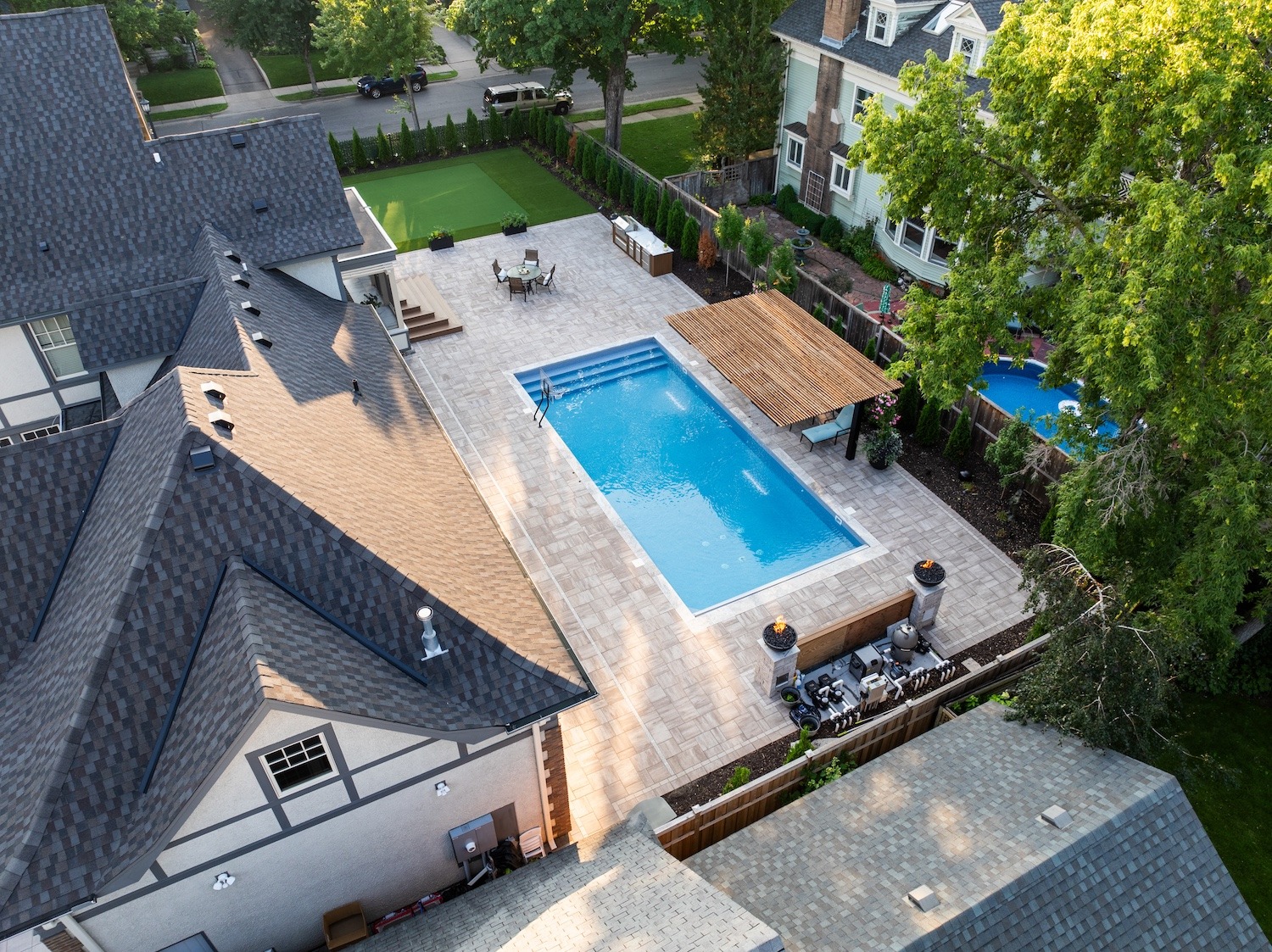
In many Twin Cities neighborhoods, yards are compact, irregularly shaped, or limited by setbacks, slopes, or existing landscaping.
That doesn’t mean the space has to feel cramped or that you can’t have a great pool area.
With thoughtful design, a smaller backyard can feel intentional, functional, and deceptively spacious. The key is focusing on how the space will actually be used and designing each element to serve a clear purpose.
Instead of trying to squeeze in every possible feature, successful small-yard design prioritizes smart layouts, multi-purpose elements, and visual strategies that make the space feel larger than it is.
Start With How You Actually Want to Use the Space
One of the biggest mistakes homeowners make when designing a backyard is starting with features instead of lifestyle. Before deciding on patios, pergolas, or fire features, it helps to ask a simple question: How will you actually use the space most often?
For some homeowners, the backyard is primarily a place to relax. Others want to host friends and family for outdoor dinners. Some want a cooking-focused space built around grilling, smoking, or pizza ovens. Others picture themselves mixing drinks behind an outdoor bar.
A compact backyard works best when the design focuses on the experiences that matter most.
If entertaining is a priority, the layout might emphasize a larger patio or a bar area. If cooking is central to your gatherings, the design may revolve around an outdoor kitchen with space for both a grill and a smoker.
By identifying those priorities early, the space can be designed around how you live rather than trying to fit too many competing features into a small footprint.
Define Zones Even in a Small Backyard
Creating separate areas for relaxing, dining, and gathering helps the yard feel more organized and purposeful. Without those distinctions, a small space can quickly feel chaotic.
Zones don’t require large physical barriers. Often, subtle design choices are enough to establish them. A patio area may serve as the main seating space, while a slightly elevated section of the yard could hold a fire pit.
Changes in materials, retaining walls, or garden borders can help visually separate areas while still keeping the yard open. These transitions give the backyard structure while maintaining a sense of flow.
Use Vertical Elements to Expand the Space
Adding height to the landscape draws the eye upward and makes the yard feel larger than its actual square footage.
Structures like pergolas or privacy screens can help define gathering areas while adding architectural interest. Vertical plantings or trellises introduce greenery without consuming valuable patio space.
By building upward rather than outward, homeowners can introduce more character and usability without crowding the yard.
Choose Multi-Purpose Features
In smaller spaces, every element should work as efficiently as possible. Multi-purpose features help maximize usability without overloading the layout.
Compact outdoor kitchens can combine cooking, prep space, and storage into a single footprint, allowing homeowners to entertain without dedicating large portions of the yard to appliances. A fire table can double as a general gathering space even when it’s not lit.
Keep Materials and Design Cohesive
Cohesion has a major impact on how large or small a backyard feels. Using too many contrasting materials, colors, or patterns can make a compact space feel visually busy. A more cohesive palette helps the entire yard read as one unified design.
A restrained material palette often makes the yard feel more open and larger.
Design for Movement and Flow
How people move through a backyard plays a major role in how spacious it feels.
Tight walkways, awkward layouts, or obstacles in high-traffic areas can make a small yard feel crowded. Thoughtful circulation paths allow people to move comfortably between spaces without disrupting conversations or activities.
Sightlines also matter. When the layout allows the eye to travel across the yard without interruption, the space tends to feel larger.
Strategic placement of fixtures, the pool, and pathways can guide movement naturally while maintaining a sense of openness.
Small Backyard Inspiration for Twin Cities Homes
Once the overall layout is established, the next step is choosing features that bring the space to life.
Fire pits, pergolas, outdoor kitchens, and built-in seating can all work well in compact yards when designed intentionally.
If you're looking for inspiration, explore some of our other backyard design guides:
- Compact Backyard Solutions for Twin Cities Homes
- 2026 Minnesota Backyard Trends
- How to Use Interior Design Trends Outside
- Featured Project: Compact, Luxurious Minneapolis Backyard
These articles highlight creative ideas that help smaller yards deliver big impact.
Ready to Design a Backyard That Works for Your Space?
Outdoor Innovations Landscaping helps homeowners across Minnesota transform their outdoor spaces into functional, beautiful environments designed for how they live.
Our team designs spaces that balance aesthetics, available space, and usability.
Outdoor Innovations Landscaping creates exquisite backyards for homeowners in Minnesota. From in-ground pools to luxurious paver patios to outdoor living rooms, we do it all. Explore our past projects and get a quote online to make your dream backyard a reality.